
Value of an unspoiled view
One of my favorite Atomic Insights commenters left an inspiring message in a thread that was evolving into a discussion about wind energy, including its environmental impacts and low productivity.
Daniel;
Do you recall a time when a bucolic scenic view was just priceless; that beyond just property values you just didn’t allow anything mar the appreciation of natural horizons of unbroken countryside or seascapes or mountain vistas, especially those steeped in history and heritage like the Green Mountain Boys swarming over the hills of Vermont and early pioneers fording the lower Appalachians. I think it was Teddy Roosevelt who said no price was too high to keep our natural heritage unspoiled and alive for later generations, but it seems he was wrong. There is a price that the people of Vermont and other states are cashing in nature by with interest. It’s the cheap witless price of fear.
James Greenidge
Queens NY
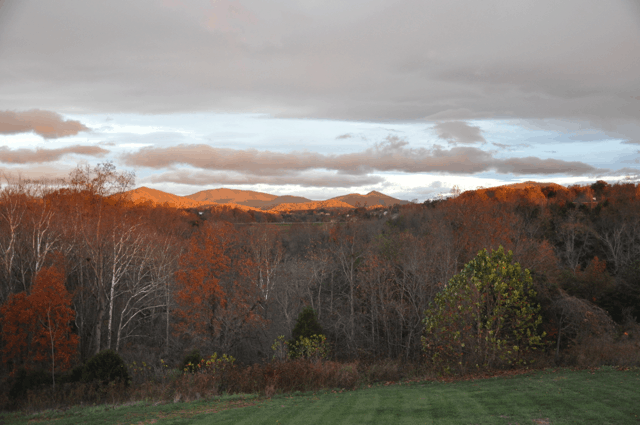
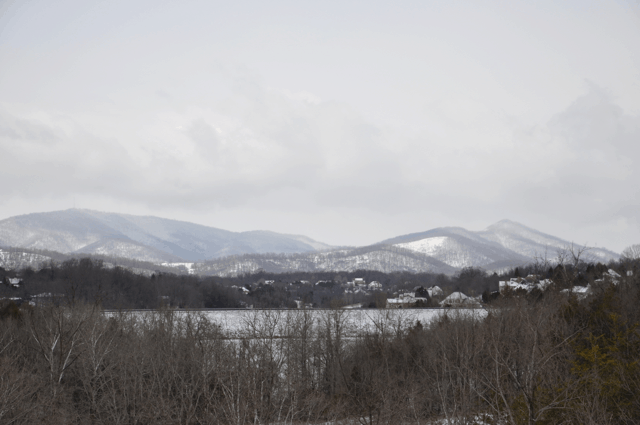
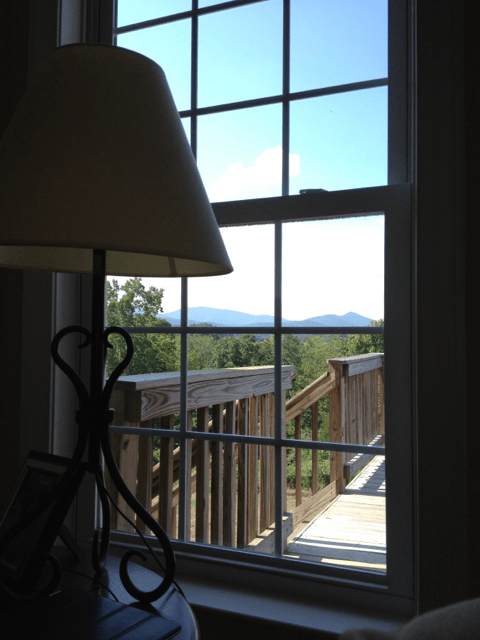
James’s comment motivated me to share a few images of a vista that continues to provide me with peace and comfort. I hope you enjoy them.
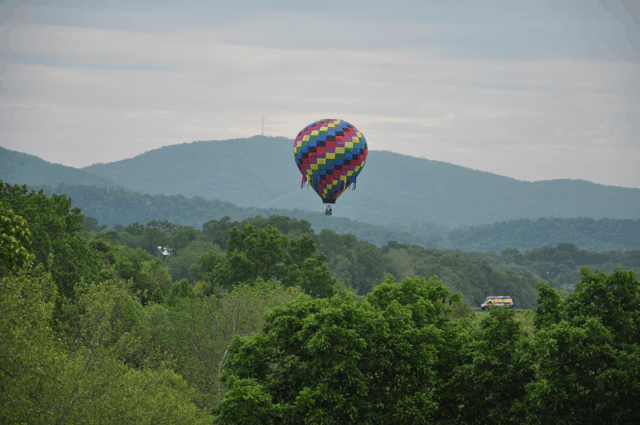
If you look really closely, you will see that the mountains already have a little bit of human technology; there is a skinny radio tower located on one of the peaks to improve the line of sight transmission. That tower has no moving parts that can bash the soaring birds that I often see.

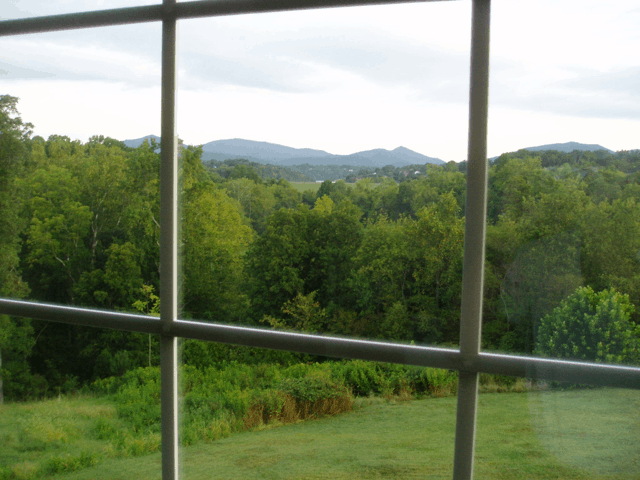

That is a zoomed image; you can place the ball kickers at the edge of the grass in the below photo.
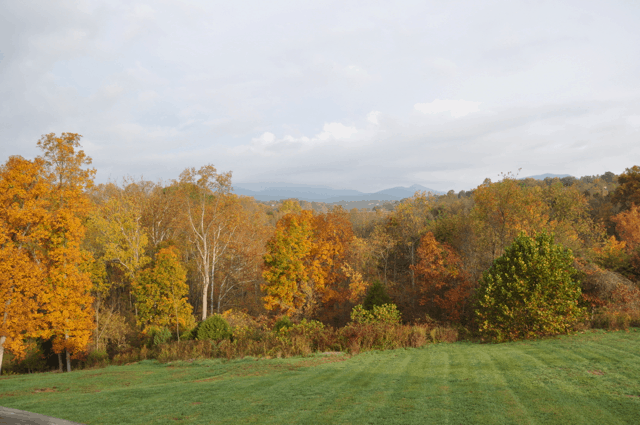
I’ll offer fair warning to any wind developers that attempt to shave those particular mountains to erect their unreliable, intrusive, industrial devices. I will work hard to make sure that you do not succeed in locating them in my backyard.


Lovely and relaxing. I can never remember, are you in VA or NC? I grew up in northern VA and even now, 40 years later, Texas just doesn’t look right. The landscape in your photos, that’s how a countryside is supposed to look.
@Jeff
I’m in Forest, VA, not far from Bedford, home of Sharp Top and Round Top (aka Peaks of Otter), along with the famous Bedford Boys who led the charge on D-day.
My view is similar to the one Thomas Jefferson had from his Poplar Forest summer home.
Thanks for the mention, Rod.
You have one fantastic spread and vista there! The dawns and dusks in autumn must be awesome as heaven! Your sweat and skull-crushing well deserve it! I only wish more Vermonters and others appreciated such too!
James Greenidge
Queens NY
Something just hit me again. I just realized that the Japanese NRA must secure local support to restart a nuke.
I strongly disagree that this should be part of their decision making process. They have to certify and that is it.
As a Brit, the most striking thing about those views is the trees! Most of our forests were cut down for fuel and structural materials over the past few hundred years, the remainder only being saved by the advent of coal and steel. Now our big coal generators are switching to wood again since it’s been classed as ‘renewable’ and qualifies for subsidies. The total forested area of the UK is about 3 million hectares, while (based on the numbers for Drax) a wood-burning coal station seems to require about 600,000 hectares per GW for sustainable operation. Obviously it’s not feasible for Drax et al to get their wood here, so it’s mostly being imported from North America. Watch out!
http://www.businessweek.com/news/2012-09-25/biggest-english-polluter-spends-1-billion-to-burn-wood-energy
In the early 1900s 45% of Africa was covered by forests. Today it is 4%. Why? People need heat for food, laundry, home heating, and bathing purposes. Had Africa as many coal power stations as the US has, they would have most of that lost forest back, even with the people pressure. Looks like the UK is going backwards.
N & S Korea. North is barren and treeless adn suffers from flash flooding. South is lush and green. Why? Capitalism is part of it, but cutting trees is so anti-green, yet this is what green policies encourage so strongly.
Then there’s the toxic sludge generated by mining for rare earth metals that feature so prominently in wind turbines. This sludge is far more toxic than the sludge from coal mining or uranium mining. But hey those windmills are so greeeeeeeeeeeeeeeeennn!#$.